Adventurer Combat System
Designed with roleplayers in mind, the Adventurer Combat System provides a dynamic framework that represents your character’s unique abilities while maintaining balance and fairness.This lightweight and intuitive system is incredibly versatile, offering opportunities for growth and adventure. Level up alongside friends, delve into ancient dungeons, and compete in thrilling arena battles—all while rolling dice and staying immersed in your character’s story.
Physical
Physical combat, or PHY, are offensive or defensive actions that involve the character's body or anything held or attached to it.
Examples of PHY combat may include:
Hand to Hand Combat
Held Weapons (Swords, Daggers, Axes, Hammers, Polearms, etc)
Shields, armor
Biting, scratching, or other animalistic behaviors
PHY has an advantage over other traits with the following perks:
Strength: The ability to lift or move objects of different weights or resistances.
Constitution: The ability to resist or withstand environmental damages when introduced by the Dungeon Master
Arcane
Arcane combat, or ARC, are offensive or defensive actions that are considered a magic or a power.
Examples of ARC combat may include:
Spells, Magic
Blessings, curses, incantations
Wards, protection spells,
Elements, manipulation
ARC has an advantage over other traits with the following perks:
Willpower: Ability to resist mental manipulation or control
Focus: Keeping attention to a specific task without interruption.
Skill
Skill combat, or SKL, are offensive or defensive actions that use tools and items not attached to an individual.
Examples of SKL combat may include:
Projectiles, bullets, arrows, throwing knives
Traps, bombs
Dodging, evading
SKL has an advantage over other traits with the following perks:
Perception: General awareness of traps, solutions, or different environmental factors introduced by the Dungeon Master
Stealth: The ability to enter and remain hidden.
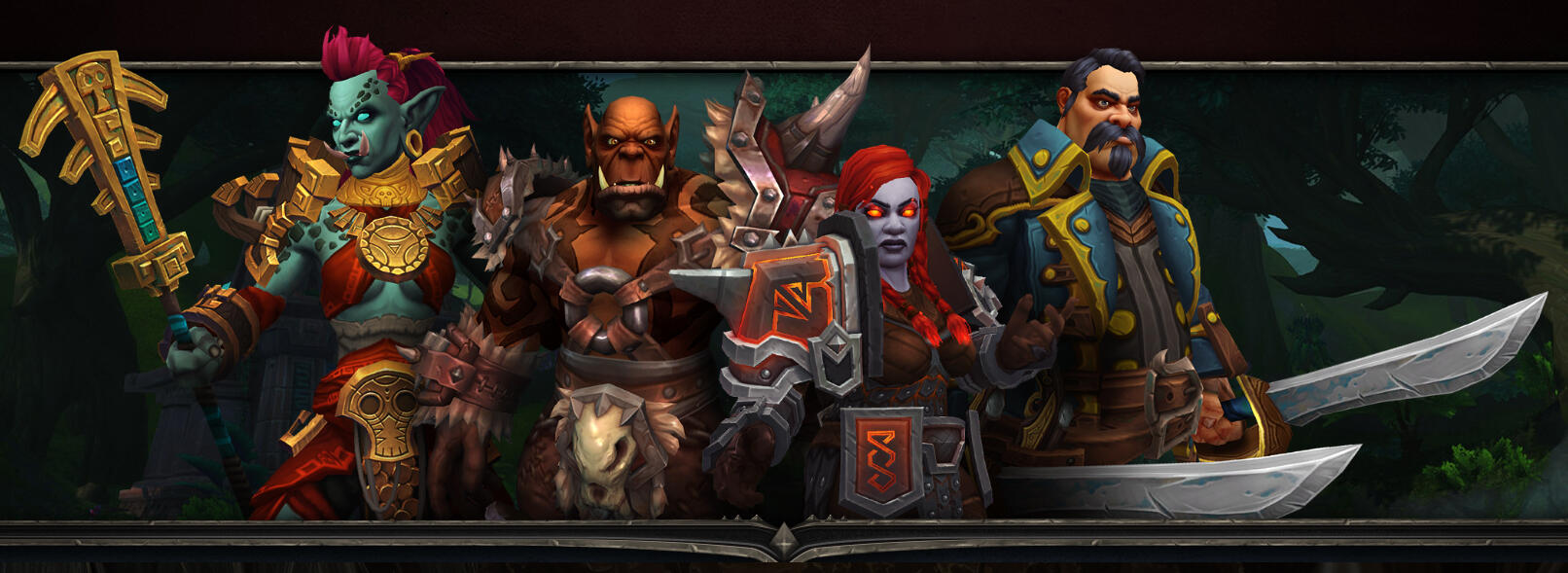
At the heart of the Adventurer Combat System lie its traits. Each trait is designed to highlight your character's unique build, providing a more authentic representation of their abilities and strengths.Click each trait to find out more.
Each trait can hold a maximum of 10 points, with a cap at 25 points total. Every character begins with 5 points to distribute across their traits as they choose. Winning battles grants an additional point to allocate, while losing a battle results in the loss of a point.
Your character's health is determined by their armor type. Their values can be found below:
In World of Warcraft, each class is restricted to an armor typing.Each subclass has a special ability to add more variation to their rolls. Click each class to find out more.
Death Knight
Frost
Frozen: If an attacking ARC roll’s value is above 10, the target is stunned for 2 of their turns and cannot attack. Their defense rolls cannot add any stat advantages.
Unholy
Empower: When successfully countering an PHY attack, add +1 to your roll.
Blood
Unstoppable: Every successful defense roll, heals 1HP.
Demon Hunter
Havoc
Bloodlust: If the value of your attacking PHY roll is below 10, have the option to reroll once during your turn.
Vengeance
Double Edge: When successfully countering a PHY attack, double your counter’s roll value.
Druid
Feral
Flurry: If the value of your PHY roll is below 10, have the option to reroll once during your turn.
Guardian
Tough Hide: All defense rolls have +1.
Restoration
Party Counter Heal: When successfully countering an incoming attack, everyone in your party heals 1HP.
Balance
Harmony: All successful defense rolls are now counters.
Evoker
Devastation
Backfire: When successfully countering an ARC attack, double your roll value.
Augmentation
Empower: When successfully countering an SKL attack, add +1 to your roll.
Preservation
Party Counter Heal: When successfully countering an incoming attack, everyone in your party heals 1HP.
Hunter
Beast Mastery
Best Friend: Add 1pt to your PHY roll value per active pet you have on the field.
Marksmanship
Critical Hit: Add 1pt to your SKL attacking roll value.
Survival
Hidden Strike: When successfully landing a sneak attack using SKL, triple the value instead of doubling it.
Mage
Fire
Burned: If an attacking ARC roll’s value is above 10, the target takes -1HP every turn they attack for 3 turns.
Frost
Frozen: If an attacking ARC roll’s value is above 10, the target is stunned for 2 of their turns and cannot attack. Their defense rolls cannot add any stat advantages.
Arcane
Master: If the value of your ARC roll is below 10, have the option to reroll once during your turn.
Monk
Windwalker
Gamble: If the value of your SKL roll is below 10, have the option to reroll once during your turn.
Brewmaster
Smashed: When successfully countering an SKL attack, double your roll value.
Mistweaver
Phalanx: When successfully countering an incoming attack, heal for 1HP.
Paladin
Retribution
Light’s Hammer: When successfully countering an ARC attack, double your roll value.
Protection
Phalanx: When successfully countering an incoming attack, heal for 1HP.
Holy
Party Heal: When healing a party member for 1HP, all party members regain 1HP.
Priest
Discipline
Party Counter Heal: When successfully countering an incoming attack, everyone in your party heals 1HP.
Holy
Party Heal: When healing a party member for 1HP, all party members regain 1HP.
Shadow
Hidden Strike: When successfully landing a sneak attack using ARC, triple the value instead of doubling it.
Rogue
Assassination
Poisoned: If an attacking SKL roll’s value is above 10, the target takes -1HP every turn they attack for 3 turns.
Outlaw
Gamble: If the value of your SKL roll is below 10, have the option to reroll once during your turn.
Subtlety
Hidden Strike: When successfully landing a sneak attack using PHY, triple the value instead of doubling it.
Shaman
Elemental
Amplified: Add 1pt to your ARC attacking roll value.
Enhancement
Empower: When successfully countering an ARC attack, add +1 to your roll.
Restoration
Party Counter Heal: When successfully countering an incoming attack, everyone in your party heals 1HP.
Warlock
Affliction
Poisoned: If an attacking ARC roll’s value is above 10, the target takes -1HP every turn they attack for 3 turns.
Demonology
Best Fiend: Add 1pt to your ARC roll value per active pet you have on the field.
Destruction
Chaotic Return: When successfully countering an ARC attack, double your roll value.
Warrior
Arms
Honed Edge: Add 1pt to your PHY attacking roll value.
Fury
Bloodlust: If the value of your attacking PHY roll is below 10, have the option to reroll once during your turn.
Protection
Phalanx: When successfully countering an incoming attack, heal for 1HP.
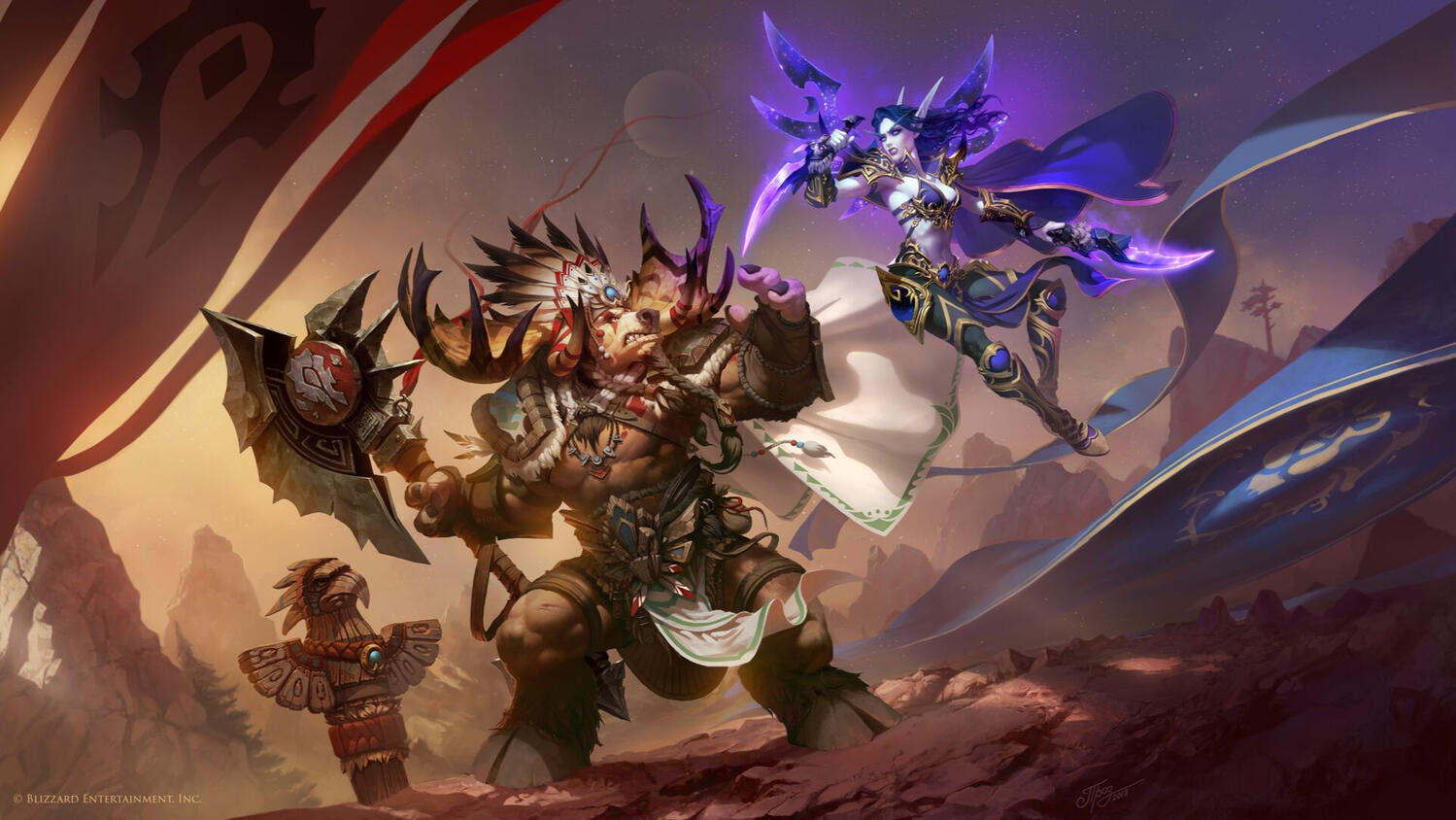
Once your character's traits are established during Character Design, you can apply their value to your actions. Players will use a 10-sided die to determine the effectiveness of each action.Be mindful of the trait you wish to leverage, as actions must be declared before rolling for values.Every engagement begins with an initial action roll. Following that, turns proceed with a reaction followed by an action. Once an action is taken, the next player's turn begins
Attack Rolls: If an attacking roll is higher than a defense roll, damage is done for the difference between values.
Defense Rolls: If a defending roll is higher than the attacking roll, the attacking roll is nulled for all damage.
Counter Roll: If a defense roll is higher than an attacking roll within the same type of trait, the defending roll will deal damage back to the attacker based on difference.
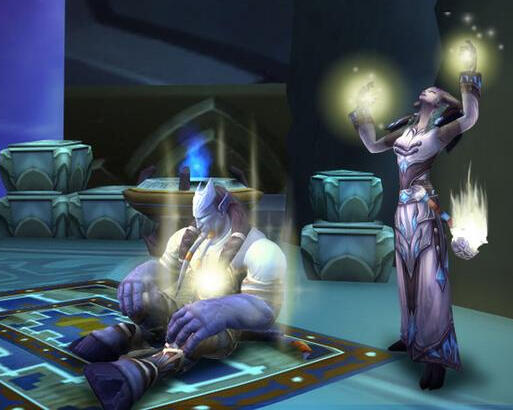
Healing
Combat Healing:
Support classes can forfeit their combat action to heal themselves or another player for 1 HP. This ability can only be used during their turn in combat.
Out-of-Combat Healing:
When out of combat, players can accelerate healing through a dice roll mechanic. The healer rolls a d10 against the patient’s d10, and the healing amount equals the difference in their rolls. If the patient rolls higher than the healer, no healing is received that turn.
Passive Healing:
Characters naturally recover 1 HP every 24 hours while out of combat.
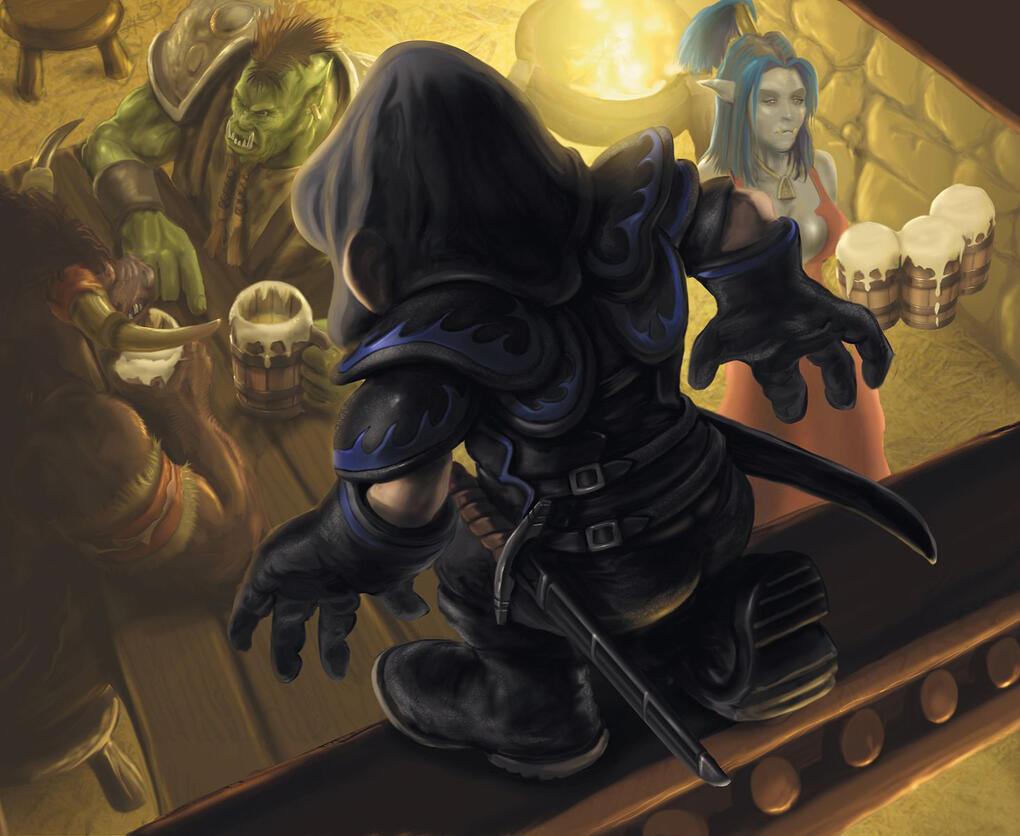
Stealth
Stealth Attacks:
Stealth attacks can only be performed when first engaging in combat. If your attack roll exceeds your target’s defense roll, the attack roll’s value is doubled for damage calculation.
Using Stealth Defensively:
Stealth can also serve as a defensive maneuver. A player can disengage from battle and enter stealth by rolling against their opponent, using their Skill trait. Once in stealth, the player can either remain disengaged or choose to re-enter the combat stage.If the player opts to stay in stealth, they must succeed in a Skill roll against their opponent’s Skill roll to avoid being discovered. Failure results in re-engagement and forfeits the ability to use a stealth attack for that combat scenario.

Creating a Dungeon Party (Roles)
Before entering a dungeon, it is recommended you have a full party. Every party consists of an unlimited amount of DPS, but can only carry one healer and one tank.
| Tank | Tanks can intercept any incoming damage to the party and take it instead. |
| Healer | Each active turn, healers passively heal 1HP until their health is full. |
| DPS | Each active turn, DPS gets +1 to any attacking roll. |
Combating NPCs
Enemy NPCs health is determined by their in-game health, where every 1,000hp=1HP.
Enemy health is rounded up to its nearest thousand, up to 500HP.
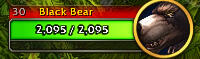
Alternative Method: Because many low level areas have low HP enemies, it helps to have an alternative method to find a healthpool. Adding a decimal before the last two digits is a great way to increase difficulty.So Black Bear's health would be 20.95HP, or 21HP.
Enemy Groups: Groups or Hordes of enemies are identified by their most prominent enemy type. The HP of that enemy type is then multiplied by the amount of enemies. If it is too difficult to tell, it is up to the Dungeon Master to provide a group health bar.
Combat as a Party
At the beginning of every dungeon, it is important to pick one member of your party as the Dungeon Master. Dungeon Masters are responsible for identifying enemies and creating their posts.
Combat begins when the party engages an enemy NPC. Once the enemy’s health bar is established, each party member takes a turn to interact in the order of the posting sequence. During this initial phase, the enemy NPC cannot block incoming attacks.
If the enemy NPC survives the round and its health is not depleted, it retaliates. The Dungeon Master rolls a d20 for the NPC to attack a random party member. The targeted player can roll to defend, or the designated Tank can choose to roll in their place.
Downed Party Members: If a party member’s health reaches 0, they are removed from combat until the engagement concludes. They can rejoin the party afterward with half their maximum health.
Party Elimination: If the entire party is eliminated, the dungeon is failed, and the party is returned to the beginning.